Understanding the Significance of Red in Tionghua Culture
The color red holds profound significance in Tionghua culture, symbolizing more than just aesthetic appeal. It is intricately woven into the fabric of traditions, rituals, and celebrations within the Tionghua community. As a color that embodies good fortune, happiness, and prosperity, red is prevalent in various cultural practices. When exploring options, rokok88 link provides comprehensive insights into these traditions and their contemporary interpretations.
What Does Red Represent in Tionghua Traditions?
In Tionghua traditions, red signifies a variety of positive attributes, including happiness, wealth, and good fortune. Historically, it is believed that red wards off evil spirits and misfortune. This belief dates back centuries and is rooted in ancient folklore. In many communities, the color is extensively used in festivals and important life events, such as weddings and birthdays, where it is thought to bring blessings to those being celebrated.
Historical Context of Red in Chinese Culture
The association of red with good fortune in Tionghua culture can be traced back to the legend of the mythical beast called Nian. According to folklore, Nian would terrify villagers at the start of each new year. To scare off this creature, the villagers discovered that it was afraid of loud noises and the color red. This led them to use red decorations and firecrackers during the New Year celebrations to repel evil spirits, a tradition that is still carried on today.
Red's Role in Symbolizing Prosperity and Happiness
Red is not merely a color; it embodies the essence of prosperity and happiness in Tionghua culture. It is often integrated into everyday life, from clothing to home décor, particularly during festive seasons. The use of red in clothing, such as dresses for brides or shirts worn during festivals, accentuates the vibrancy of joy and celebration. Many believe that embracing red during important ceremonies invites abundance and fortune into their lives.
Red Decorations in Celebrations
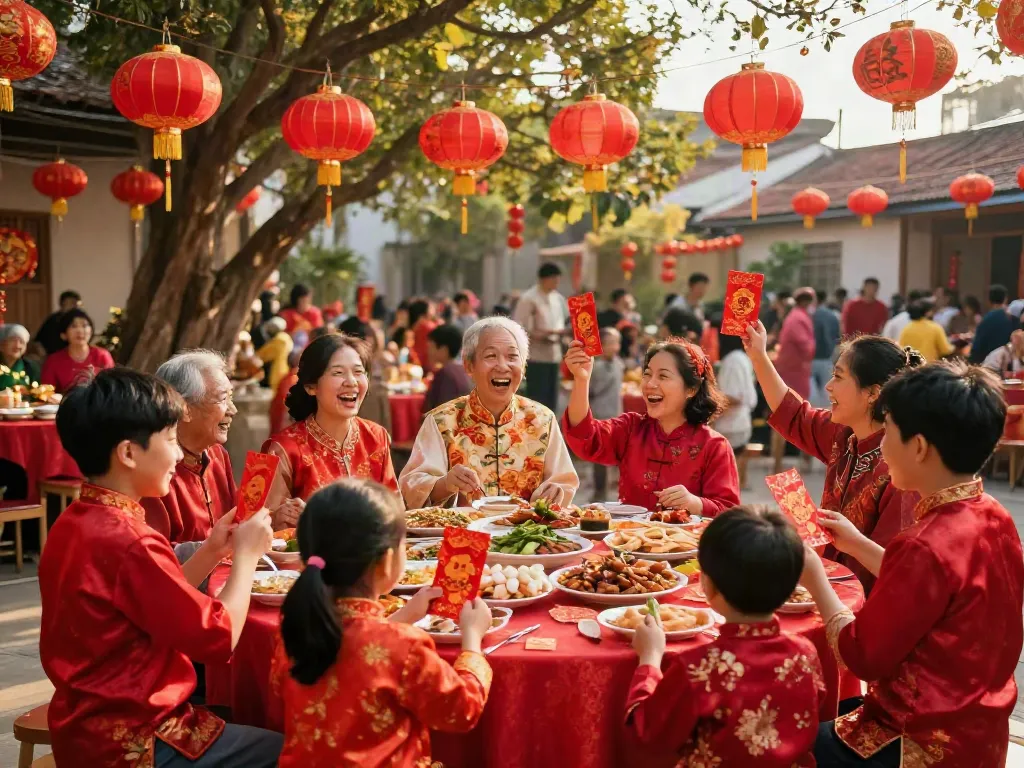
During Tionghua celebrations, particularly during the Lunar New Year or Imlek, the color red dominates the landscape. From intricate lanterns to ornate envelopes, red serves as a focal point for decoration, creating an atmosphere charged with joy and optimism.
Common Uses of Red in Imlek Celebrations
Imlek is a time when families come together to honor their ancestors and celebrate new beginnings. Red decorations are ubiquitous, found in decorations, clothing, and food offerings. Homes are adorned with red couplets, which carry auspicious messages, while red lanterns light the way for prosperity and good luck. The prevalence of red during this time reflects the cultural belief that it can attract favorable forces, ensuring a prosperous year ahead.
Decorative Items and Their Meanings
Various decorative items embody the essence of red during Tionghua celebrations. Below are some common items and their meanings:
- Lanterns: Red lanterns symbolize illumination and warmth, guiding spirits back to their homes.
- Paper Cuttings: Intricate red paper cuttings are often used to adorn windows, depicting motifs like fish and flowers to signify wealth and prosperity.
- Red Banners: Hanging red banners with auspicious phrases are believed to attract good fortune and dispel negativity.
Case Studies of Red Symbolism in Modern Celebrations
In modern contexts, the symbolism of red continues to adapt. For instance, many urban families now combine traditional and contemporary designs in their decorations. This blend not only respects tradition but also reflects personal styles. Celebrations in cities often feature elaborate displays of red alongside modern lighting and elements, creating a festive atmosphere that appeals to younger generations while preserving heritage.
The Tradition of Angpao
A hallmark of Tionghua celebrations is the tradition of giving angpao, or red envelopes filled with money, especially during Imlek. This practice is rich in cultural significance and serves as a way to share blessings and good fortune.
What is an Angpao and Its Cultural Importance?
An angpao symbolizes the act of sharing blessings. It is typically given by older family members or married couples to younger relatives. The act of gifting an angpao represents a wish for wealth and good luck in the recipient's future. The red envelope itself protects the monetary gift from ill fortune, making it a cherished custom during celebrations.
How Angpao Reflects Generational Blessings
Angpao not only conveys good wishes but also reflects generational connections within families. Older generations share their blessings and wisdom with the younger ones, fostering a sense of continuity and tradition. It is a tangible expression of love, care, and hope for a prosperous future, making it a significant ritual during family gatherings.
Different Forms of Angpao Across Regions
While the concept of angpao remains consistent, its presentation can vary across different regions. Some regions use elaborately designed envelopes adorned with gold foil or intricate artwork, while others may opt for simpler designs. Each variation encapsulates the local cultural nuances, demonstrating the adaptability of this tradition while maintaining its core significance.
The Use of Red in Tionghua Art and Clothing
Red’s pervasiveness extends into the realms of art and clothing, where its symbolic meanings are vividly expressed. Artists and designers draw upon this color to evoke emotions and cultural narratives that resonate with the Tionghua identity.
Traditional Costumes Featuring Red Elements
Traditional Tionghua costumes are often characterized by vibrant red hues. For example, bridal attire typically features red silk and intricate embroidery, symbolizing love, fidelity, and happiness. These garments are designed to not only celebrate the individual but also embody collective cultural values, making red a central theme in Tionghua festivities.
Artistic Expressions Embodying Red Symbolism
In contemporary art, red is frequently used to reflect themes of identity and heritage. Artists incorporate the color into their work to convey messages about cultural pride and resilience. The use of red can evoke a sense of nostalgia, connecting viewers to their ancestral roots and the rich tapestry of Tionghua tradition.
Influence of Red on Contemporary Fashion
In modern fashion, red has made a substantial comeback, with designers incorporating this color into their collections. Its boldness and vibrancy provide a statement in clothing lines, reflecting not only cultural symbolism but also trends that resonate globally. Today, many young Tionghua individuals embrace red in casual wear, blending traditional elements with contemporary styles.
Future Trends: Red Symbolism in Tionghua Culture
As the world evolves, so does the understanding and interpretation of cultural symbols like red. The future of red symbolism in Tionghua culture is likely to be shaped by globalization, technological advancements, and shifting cultural paradigms.
Modern Interpretations of Red in Cultural Practices
Modern interpretations of red are expanding, with younger generations reimagining traditional uses. This includes integrating red into digital formats and virtual celebrations, particularly in light of recent global events that have transformed how communities connect. The essence of red continues to be celebrated, albeit through new mediums and practices.
The Evolution of Red in Tionghua Celebrations
Celebrations are evolving, and the role of red is also changing. Future Tionghua festivities may blend more innovative decorations and technologies with traditional practices. As communities adapt to modern influences, the significance of red may take on new meanings while still honoring its rich history.
Emerging Themes Around Red in 2026 and Beyond
Looking ahead to 2026, emerging themes surrounding red may focus on sustainability and cultural preservation. With a heightened awareness of environmental issues, there could be a shift towards using eco-friendly materials in decorations and clothing that also embrace red symbolism, reinforcing the connection between cultural values and contemporary ecological concerns.
What is the Role of Red in Today's Globalized Society?
In a globalized society, the color red transcends cultural boundaries, evoking a sense of excitement and passion universally. The Tionghua community's embrace of red can facilitate cross-cultural exchanges, fostering an inclusive dialogue that honors diversity while promoting cultural heritage. As more people become aware of the rich symbolism tied to red in Tionghua culture, its importance will continue to resonate across various demographics.